
During the winter months, there are a number of seasonal health concerns that dog owners should be aware of, like paw injuries, dry skin, and hypothermia. But a very serious, and often overlooked hazard of cold weather is frostbite. When most people think of frostbite, they might imagine extreme temperatures found only in arctic climates or dangerous, sub-zero conditions. However, frostbite can develop much more easily than many dog owners realize, especially when wind, moisture, and prolonged exposure are involved. Even moderately cold winter days can pose a risk to dogs, especially if they have thin coats, small bodies, or underlying health conditions. Understanding how frostbite occurs, which dogs are most vulnerable, and what warning signs to watch for can help you take the right precautions and keep your dog safe throughout the colder months.
What Is Frostbite in Dogs?
Frostbite in dogs occurs when a dog’s skin and the tissues underneath it are exposed to extreme cold for an extended period of time, causing blood vessels to constrict and limiting blood flow to the area. This limitation of blood flow can cause damage to the skin and tissue, with tissue death even occurring in some cases. Because dog frostbite is caused by inadequate circulation, areas of a dog’s body with less fur and already poor circulation are most commonly affected. Ears, tails, paw pads, and toes are especially vulnerable areas that owners should keep an eye on when their dog is playing out in the snow or enjoying the outdoors during winter. Due to this, puppies, senior dogs, and dogs with medical conditions like heart disease, diabetes, hypothyroidism, or other concerns that may affect circulation are susceptible to cold-weather injuries like frostbite.
Dog Frostbite vs. Frostnip
Frostnip is a milder and more common condition that can occur during short periods of cold exposure, and is seen as the first stage of frostbite in dogs. Frostnip affects only the surface of the skin and does not cause permanent tissue damage in dogs. When frostnip begins to develop, your dog’s skin may appear pale or slightly red and feel cold, stiff, or numb, but these symptoms typically resolve once the area is gently warmed.
Dog Breeds and Frostbite
Frostbite is a winter health concern that can affect any dog, but due to their anatomy, coat type, and build, some dogs are more susceptible to it than others. Dogs with short hair or thin coats lack the proper insulation needed to stay safe on their own in colder weather, so breeds with these features, like Greyhounds, Whippets, Chihuahuas, Boxers, Dobermans, and Pit Bulls, may need extra protection like coats or booties, as well as close monitoring when exposed to colder temperatures. Similarly, small or toy breed dogs are also not well-equipped for colder weather, as their higher surface-area-to-body-mass ratio means they lose heat faster than other large dog breeds.
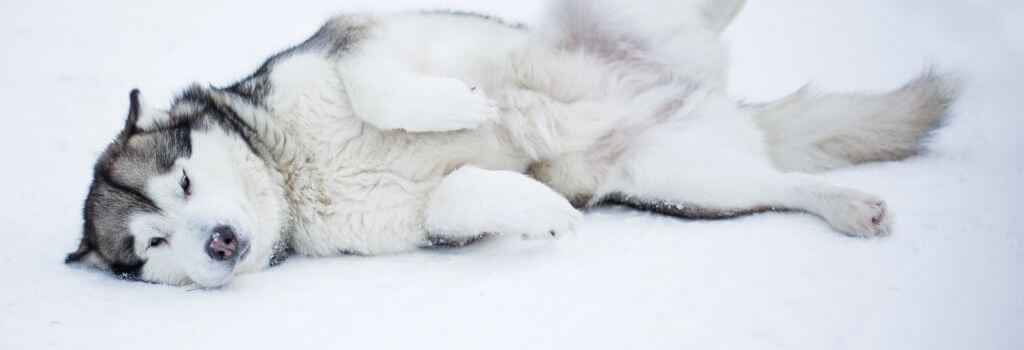
While all dogs can potentially get frostbite, some heartier breeds that thrive in the cold, like Alaskan Malamutes and Siberian Huskies, are less prone to developing it because their bodies are specifically adapted to conserve heat and protect vulnerable tissues in extreme cold. Their heavy coats also provide great insulation, and typically vulnerable areas like the ears and toes are covered with fur, giving them extra protection from snow and ice. That said, no dog is completely immune to developing frostbite, and despite their genetic adaptations, these breeds could potentially develop frostbite in extreme conditions.
Weather Conditions That Can Contribute to Dog Frostbite
Extremely low temperatures
Frostbite on dogs can develop when temperatures drop below freezing, but the risk increases significantly when temperatures fall below about 20°F (–6°C), particularly during prolonged exposure. Puppies, senior dogs, small breeds, and dogs with short or thin coats are especially vulnerable in these conditions, so be sure to take proper precautions and limit your dog’s time out in the cold and use protective gear if your dog falls into any of these categories.
Wind chill
Wind is one of the biggest contributors to frostbite, with some wind conditions being able to make even mild conditions dangerous for our pets. Strong winds can quickly strip away a dog’s body heat and make the effective temperature much colder than the actual air temperature. A windy day at 25°F can be far more dangerous than a calm day at 15°F, making wind chill and wind conditions something you should always check before planning a day outdoors with your dog in fall and winter.
Moisture and wet conditions
Like windy conditions, wet conditions can increase a dog’s risk of developing frostbite under the right circumstances. Snow, sleet, freezing rain, or wet fur dramatically increase heat loss. When a dog’s paws, ears, or coat are wet, tissue freezes faster, raising the risk of frostbite even at moderately cold temperatures. If the conditions outside are considerably wet or the snow in your area seems slushy, it may be a good idea to keep your pup indoors
How Long Does it Take for a Dog to Get Frostbite?
The amount of time it will take for a dog to develop frostbite will vary from dog to dog and depend on the conditions that they are exposed to. For example, dogs left outside without adequate insulation from the ground, wind protection, or a dry shelter are at much higher risk of developing dog frostbite than a dog that is taking a regular walk with their owner or running off some energy in the yard. Long periods of exposure and lack of proper shelter or protection can speed up the timeline for developing frostbite, as metal surfaces, icy sidewalks, and frozen ground draw heat away from the body quickly, especially through the paws. Wet conditions like these can speed up the development of frostbite considerably, even if the overall temperature outside isn’t severely low.
For dogs in very cold or very windy conditions with low temperatures, like those below 0°F, frostbite in dogs can set in very quickly, with some dogs showing signs of frostbite within 30 minutes. As the temperature drops or the conditions get wetter or windier, this timeline can drop even further, with some dogs developing early warning signs of frostbite within a few minutes.
There are several factors that can contribute to how fast frostbite can occur in dogs, so be sure to consider the following if your dog will be exposed to colder weather anytime soon:
- Temperature and wind chill
- Moisture (wet fur, snow, ice, freezing rain)
- Length of exposure
- Breed and coat thickness
- Body size and age
- Health status and circulation
- Level of activity and access to shelter
Signs of Frostbite on Dog Paws and Other Body Parts
Frostbite in dogs isn’t always immediately obvious, especially in its early stages, and it can sometimes be difficult to distinguish between it and normal skin reactions to cold exposure. Symptoms of frostbite in dogs can range from mild to severe, depending on how long the tissue was exposed to the cold and how deeply the tissue was affected.
Early signs of frostbite in dogs may include:
- Pale, gray, or bluish skin in the affected area
- Coldness or stiffness when the area is touched
- Swelling or redness as circulation begins to return
- Pain or sensitivity in the affected tissue
- Blistering of the skin
- Licking, chewing, or favoring an affected paw
Signs of severe frostbite in dogs may include:
- Dark blue or black discoloration of the skin
- Tissue that appears hardened or dead
- Ongoing pain or extreme sensitivity
- Lethargy or low energy
- Reluctance to walk, move, or be touched
Any suspected frostbite should be taken seriously and responded to immediately, as delayed treatment can lead to permanent tissue damage or complications.
What Does Frostbite Look Like on Dogs?
The appearance of frostbite on dogs can change over time, especially as the tissue begins to thaw. Initially, frostbitten skin may appear very pale, gray, or white, and it often feels cold, firm, or waxy to the touch. Hair in the affected area may also fall out as the skin becomes damaged. This may be difficult to spot if your dog has snow or ice clinging to their coat, so, if you’re planning on spending longer periods of time outside, be sure to check your dog periodically for any signs of paws, tails, or ears becoming too cold.
As circulation returns, the affected area may become red, swollen, and painful, and blisters or sores may begin to develop In more advanced or untreated cases of dog frostbite, the skin may darken significantly and appear blackened, which is a sign of severe tissue damage and possible necrosis. Because frostbite can worsen even after a dog is brought indoors, it’s important to monitor affected areas closely and seek veterinary care immediately.

How to Treat Dog Frostbite
If you suspect your dog has frostbite, prompt action is important to manage tissue damage and pain.
- Get Your Dog Out of the Cold and Get them Warm: First, move your dog indoors or to a warm, dry environment immediately. Gradually warm the affected area using warm (not hot) water or warm, damp towels. Avoid using heating pads, hair dryers, or direct heat sources, as these can burn already damaged tissue.
- Avoid Doing Further Damage: Do not rub or massage frostbitten areas, as this can cause further injury. If your dog’s paws are affected, soaking them in warm water for 15–20 minutes may help restore circulation. After warming, gently dry the area and keep your dog warm and comfortable.
- Get in Touch With Your Veterinarian: It’s important to contact your veterinarian as soon as possible if you suspect frostbite. Even mild cases can lead to infection, ongoing pain, or tissue damage without proper care. Your vet may prescribe pain medication, antibiotics, or additional treatments depending on the severity of the injury.
Preventing frostbite is always easier than treating it, so limiting cold exposure, using protective gear like booties or jackets, and closely monitoring your dog during winter weather are key steps to keeping them safe and comfortable during the colder months.
Don't have a vet in your area yet? We can help you find a local veterinarian.
If you have more questions, the GeniusVets Teletriage platform will give you unlimited access to text and/or video calls with board-certified veterinarians! To learn more click here.


The Ultimate Guide
to Dog Care
This free guide is an indispensable manual for dog ownership. Filled with veterinary advice and recommendations on every important topic at each stage of your dog’s life, this is all the stuff that responsible dog owners need to know. That is why we are making it free!